40
Forty seats. Every night. Never more.
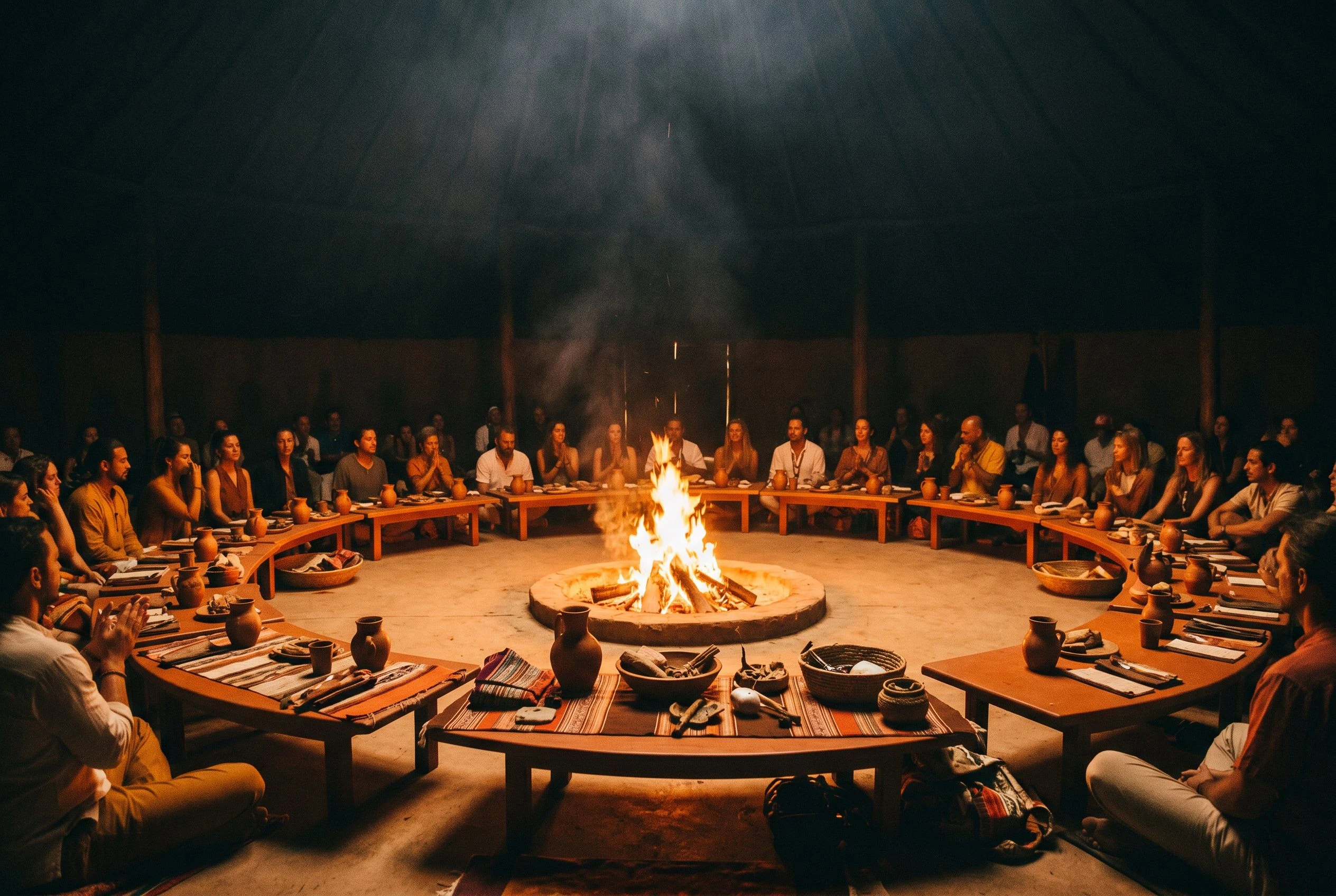
Not a constraint. A commitment. The room is precisely as small as the ceremony requires — every seat inside the circle, nothing withheld, no detail at a distance.
Prix-fixe $395 per cover. The complete ceremony, from fire-lighting to the closing ritual. Wine pairing available at the table. One seating per evening, prepaid at booking via Resy.
Next seating: June 26, 2026 — Reserve below.
Reserve Your SeatFour dimensions of ceremony that have no equivalent on this continent.
The ceremony is not built from four elements. The four elements are the ceremony.
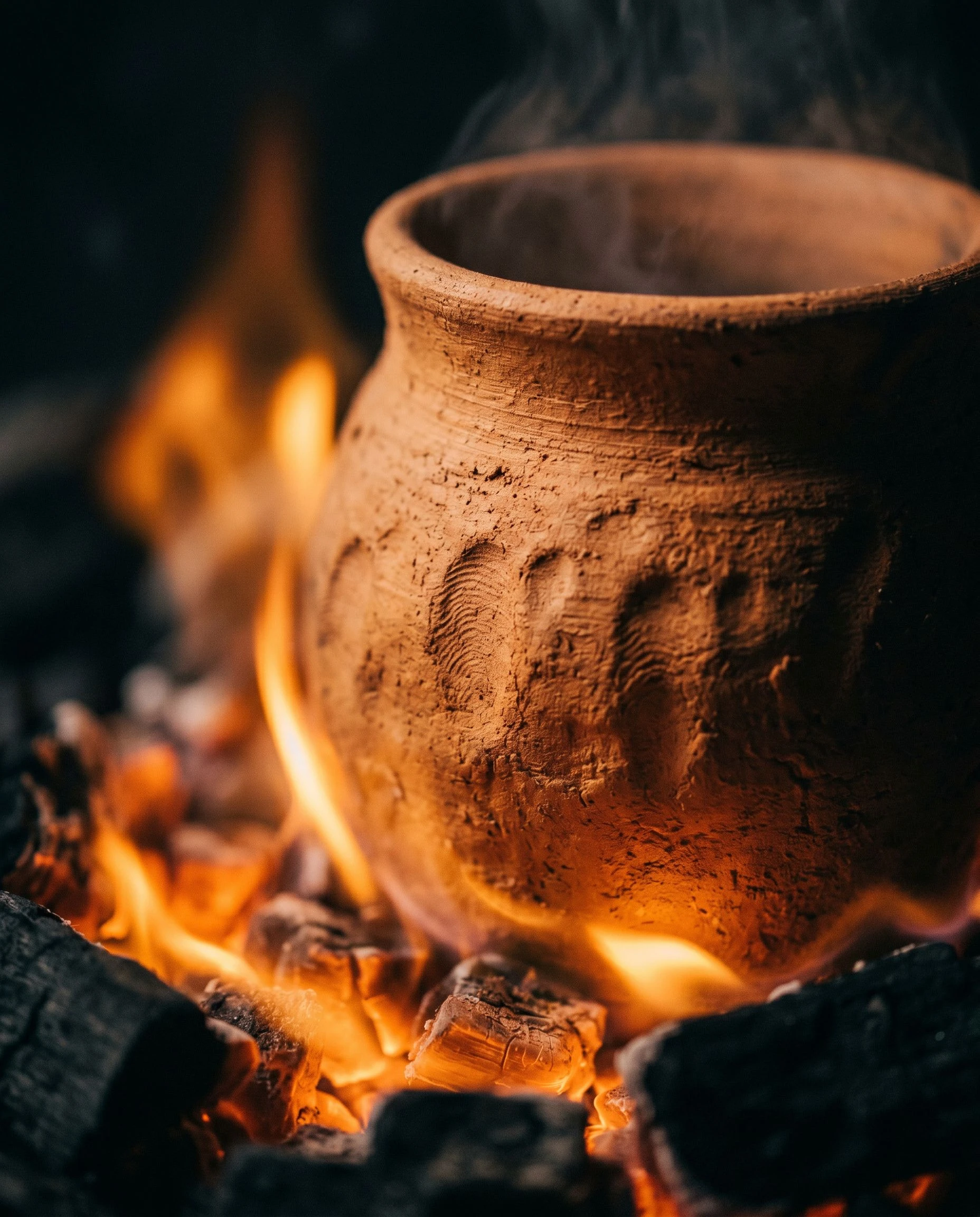 The Fire
Live Fire
Fire is not a technique at Asha. It is the kitchen in its original form — unmediated between the source of heat and the thing being made. Every course passes through open flame, not as aesthetic choice but as structural necessity. The smoke you smell when you are seated is not ambient. It is the meal beginning.
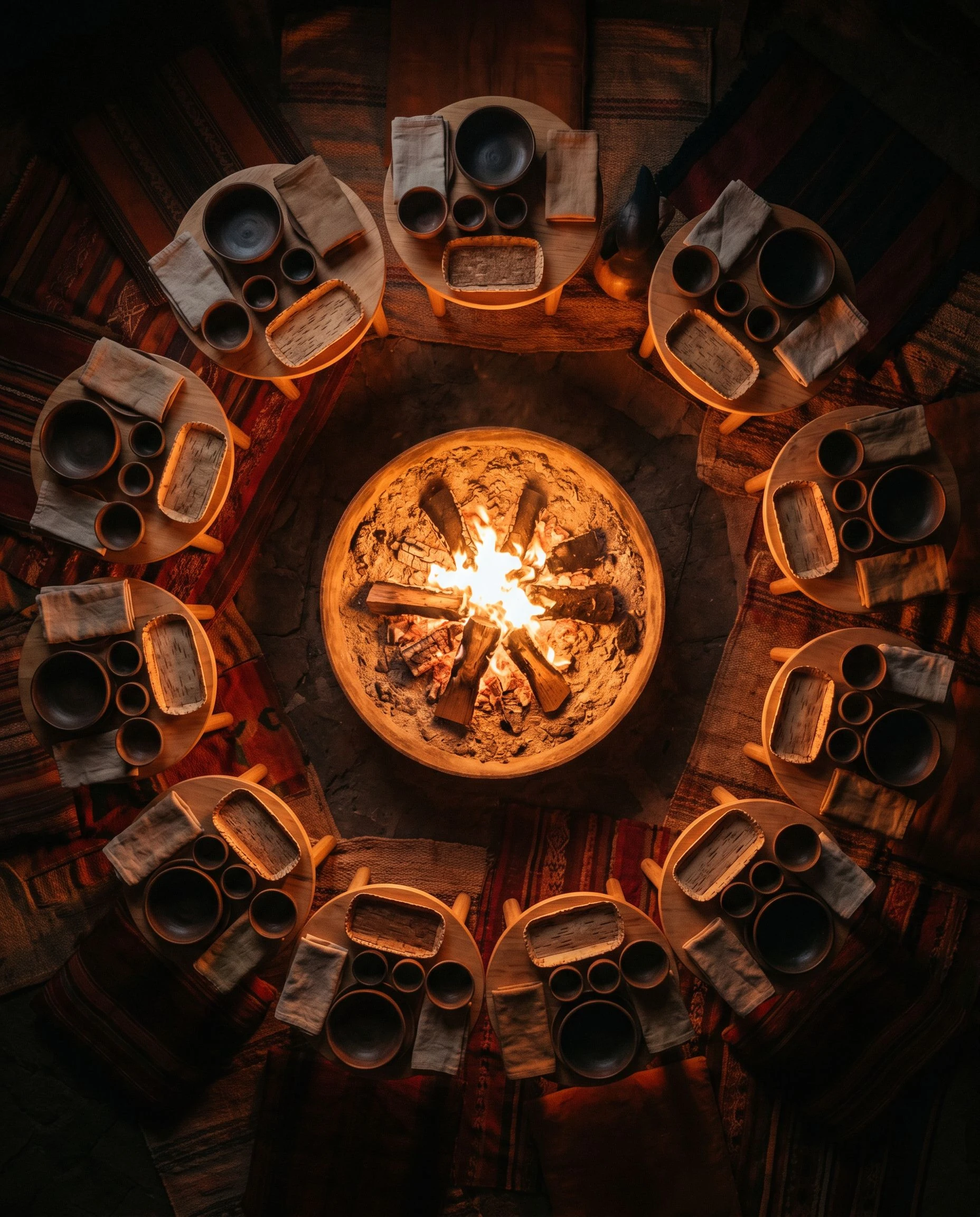 The Circle
Circle Dining
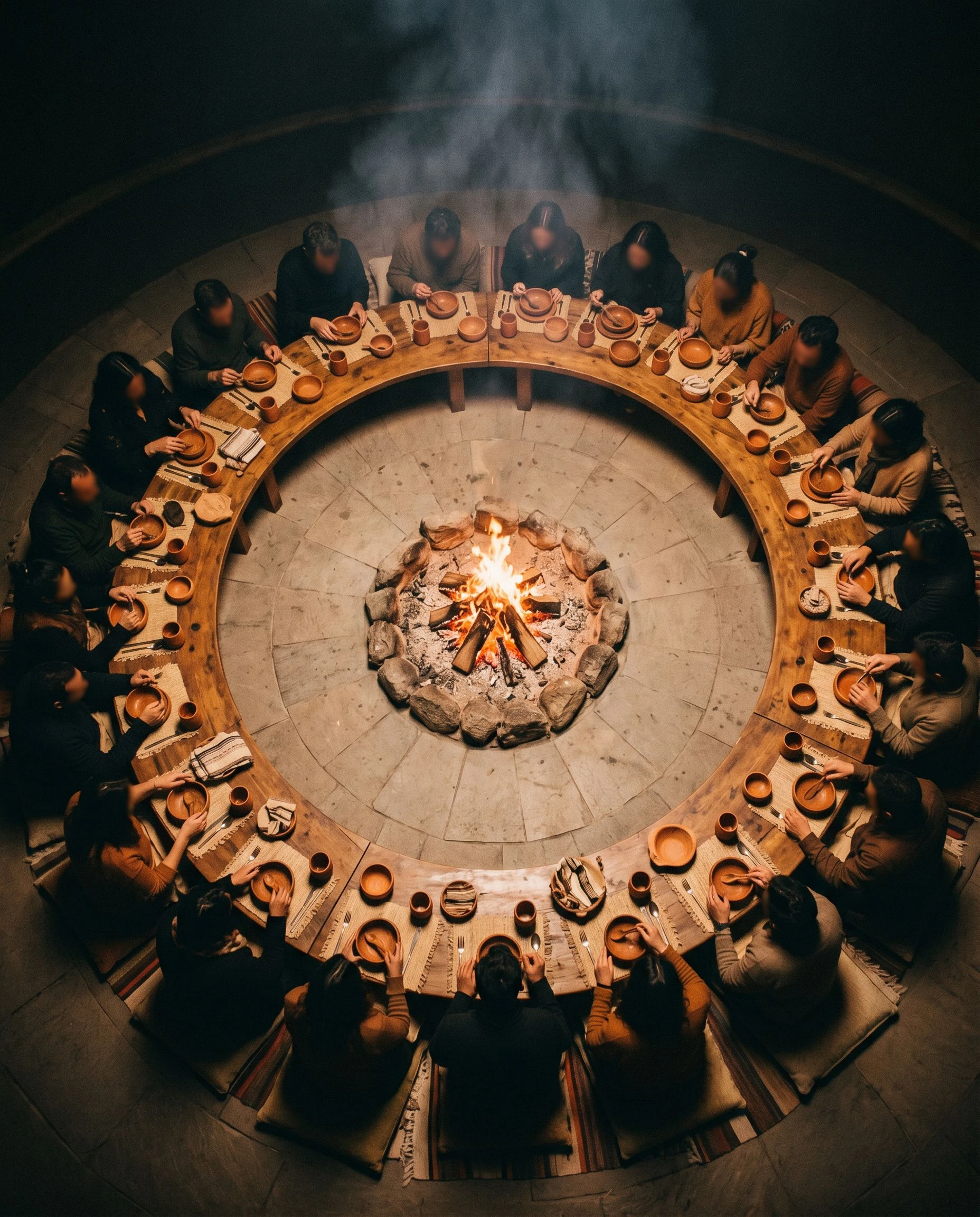
The rectangular table imposes a hierarchy. The circle dissolves it. At Asha, every seat is equidistant from the fire at the centre of the room — no head of table, no preferred position, no distinction between those who see the ceremony and those who do not. You are not an audience. You are inside the thing.
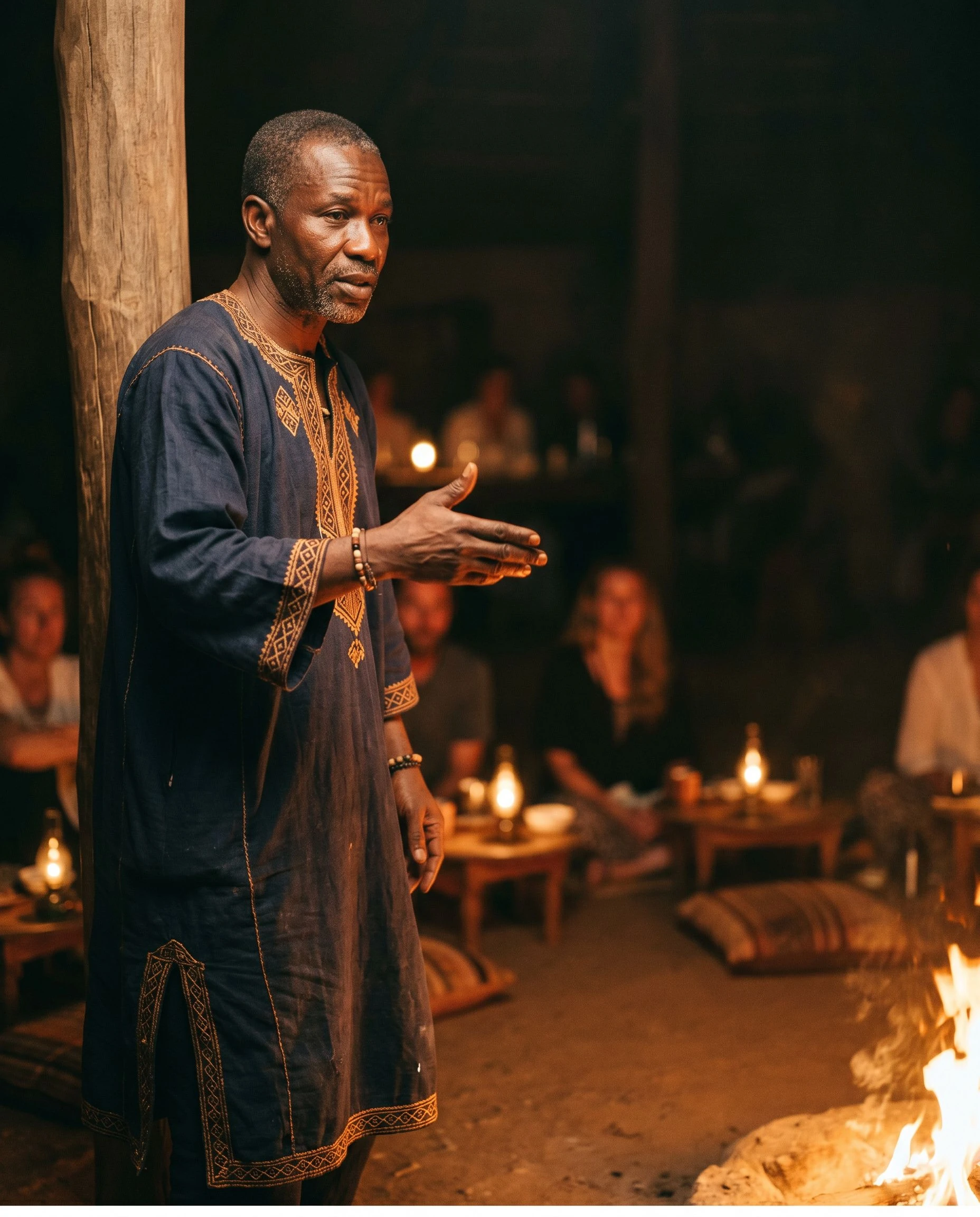 The Griot
The Griot
A griot is not a performer. In the traditions from which Asha draws, the griot is the living archive of a people — the keeper of histories that were never written, carried across generations through voice and presence alone. Asha's resident griot speaks between courses, not to narrate the food, but to carry the world it comes from into the room with you. His presence makes the meal legible in a way no tasting note could.
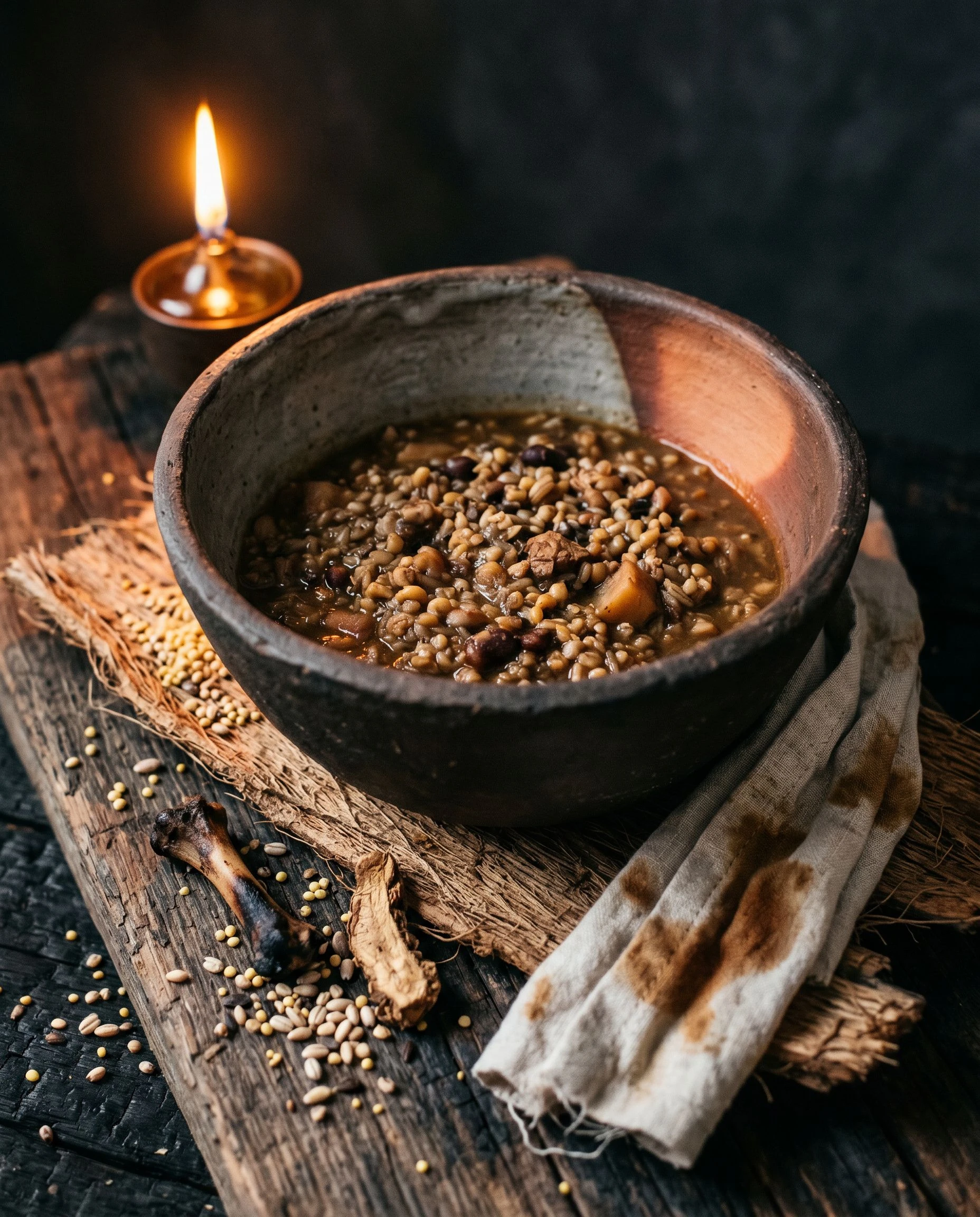 The Source
No Adaptation
Every cuisine served at Asha is drawn from communities that have never cooked for a Western palate. There is no translation layer — no substitution, no softening, no editorial decision made in deference to what a New York diner expects. The grains, fire methods, ferments, and ceremony structures arrive as they have always existed. You are not eating an interpretation. You are eating the original.
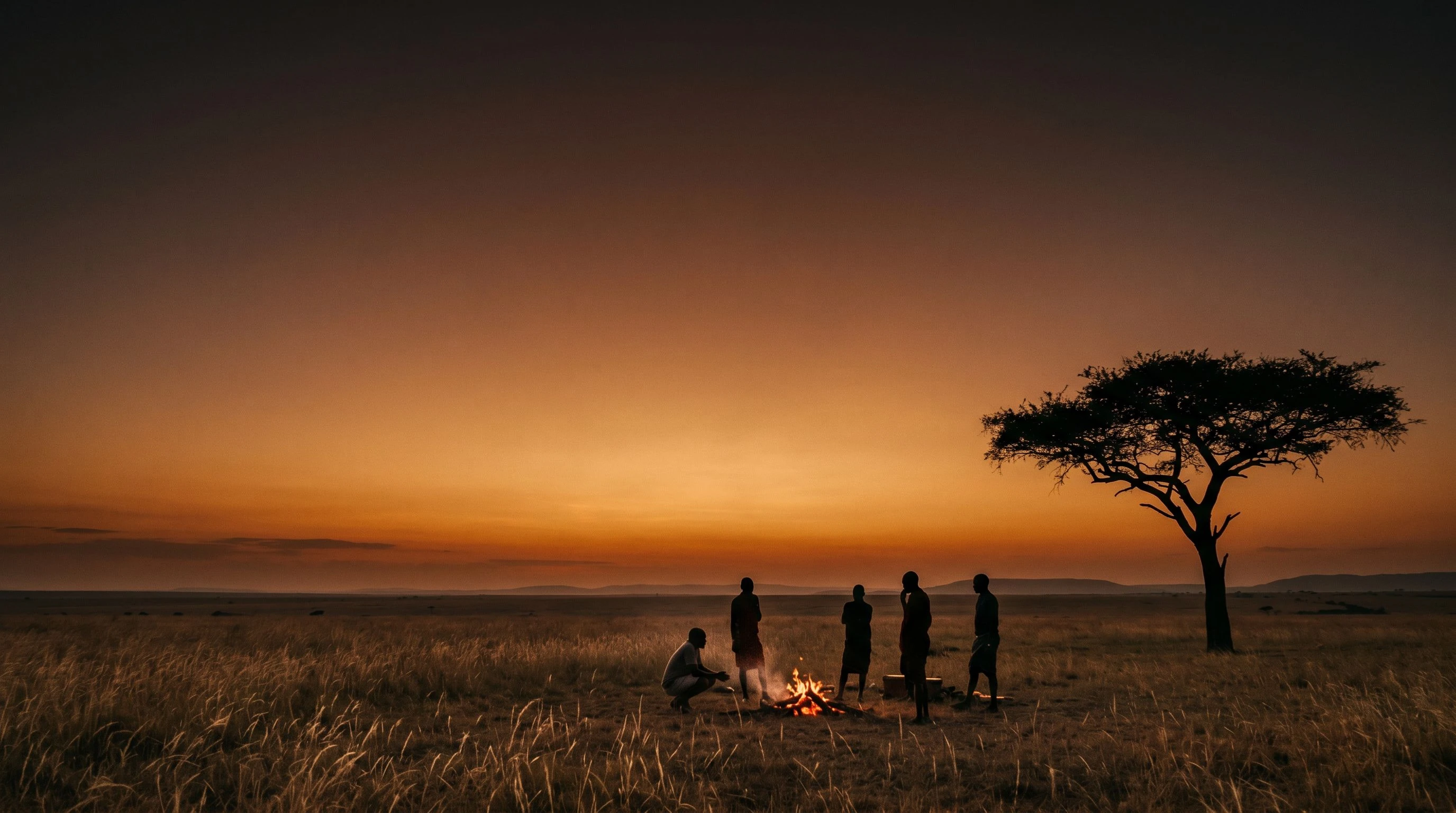
This cuisine has never needed a restaurant. Asha did not invent it. Asha carries it.
The evening moves in eight movements. You arrive in one world and leave in another.
What follows is not a menu. It is a sequence — the same sequence, in the same order, every night, because the ceremony is not improvised.
 1
1
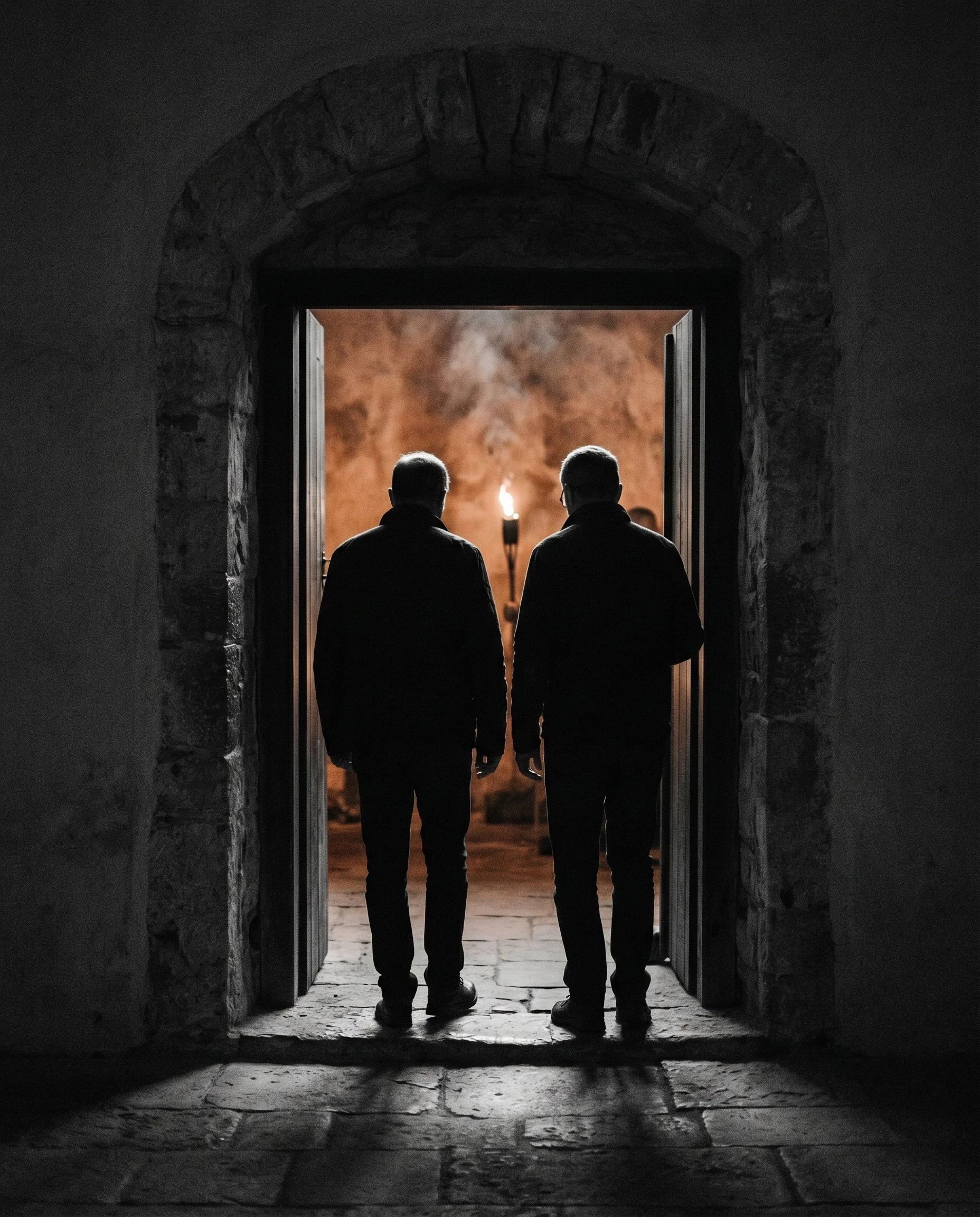
Arrival
The entrance is lit by torchlight. You hear the fire before you see the room.
 2
2
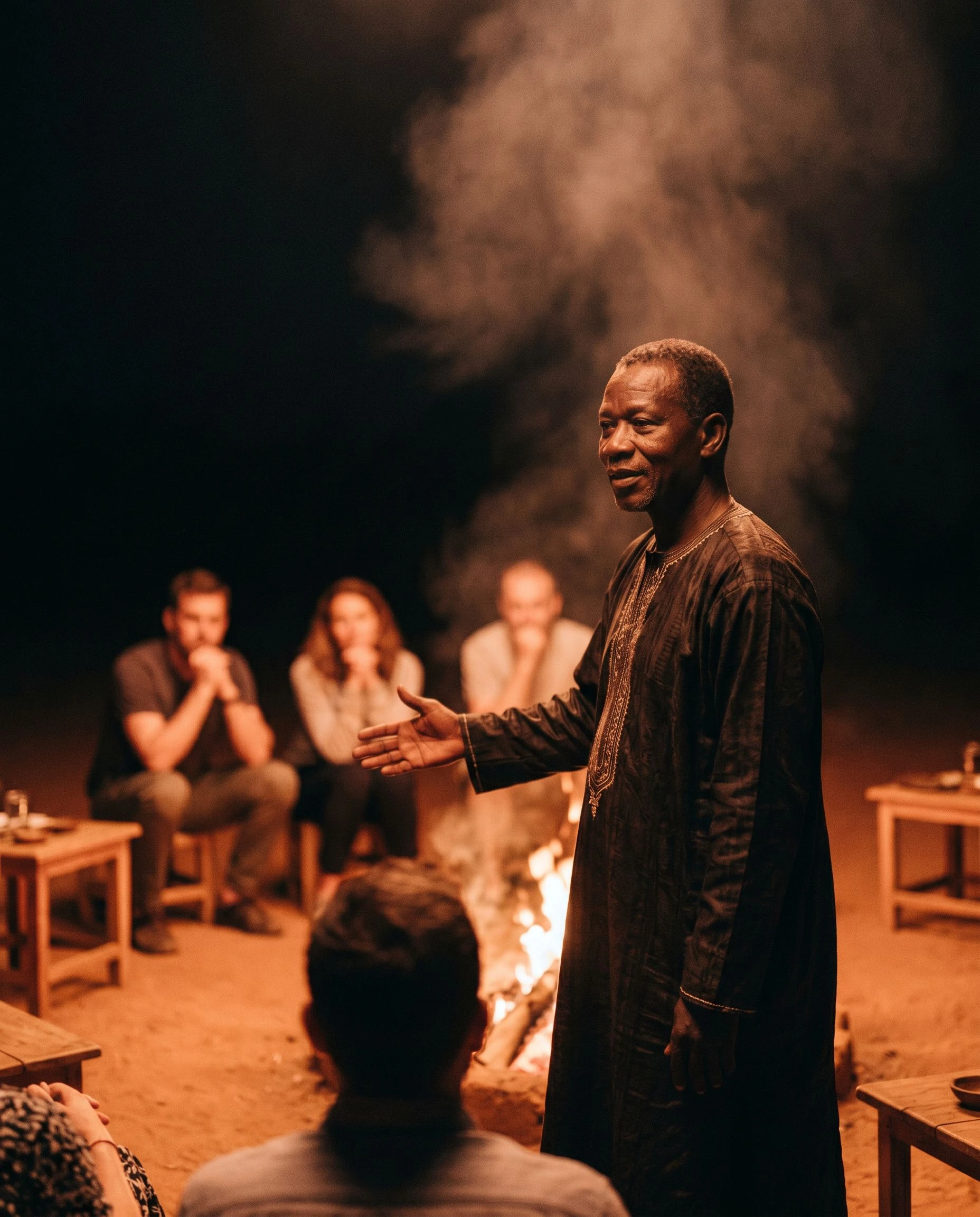
The Griot Speaks
He does not introduce himself. He begins with where the food comes from, and who carried it here.
 3
3
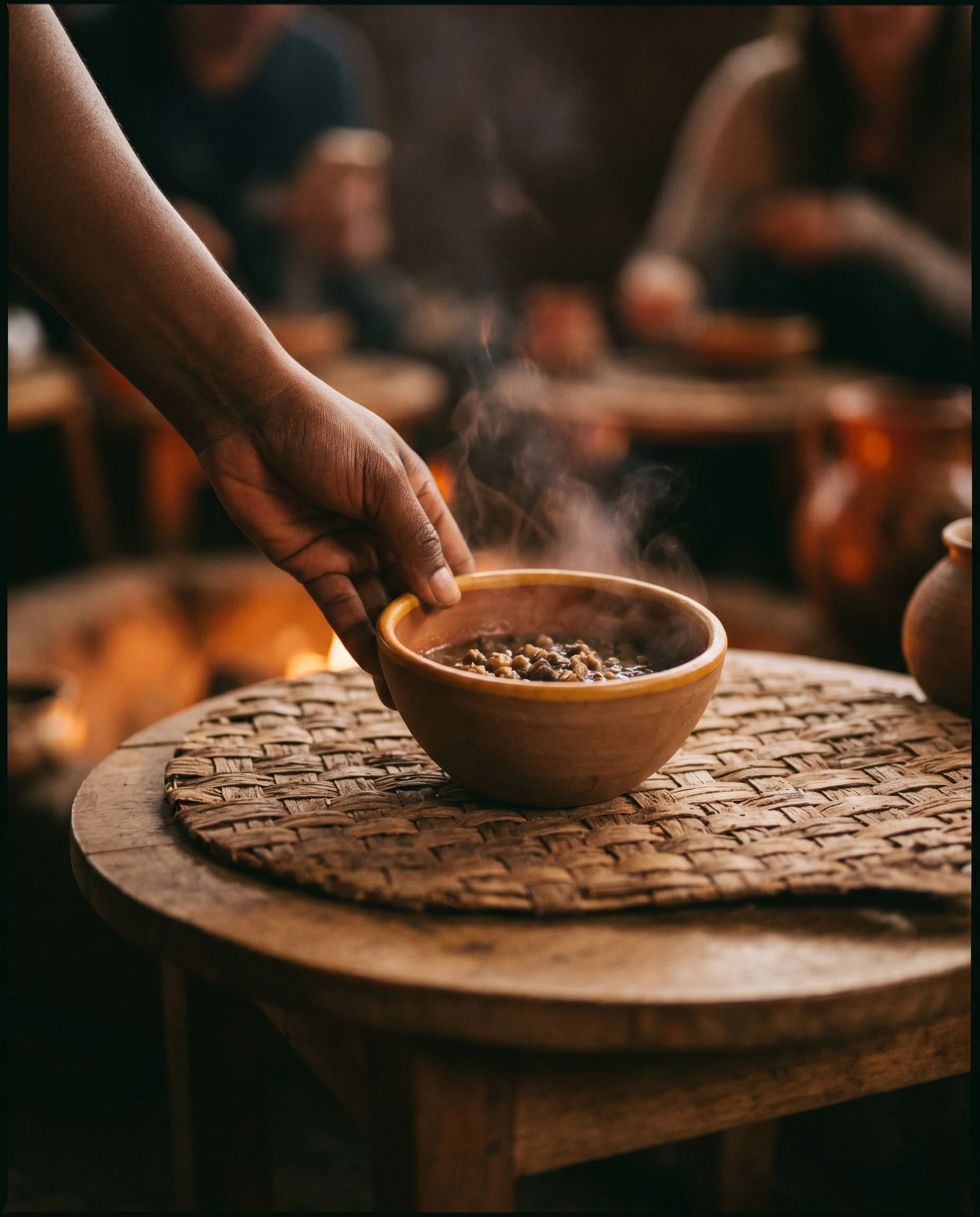
The First Course
Placed by hand on woven bark. The fire is still audible. You have not yet touched anything.
 4
4
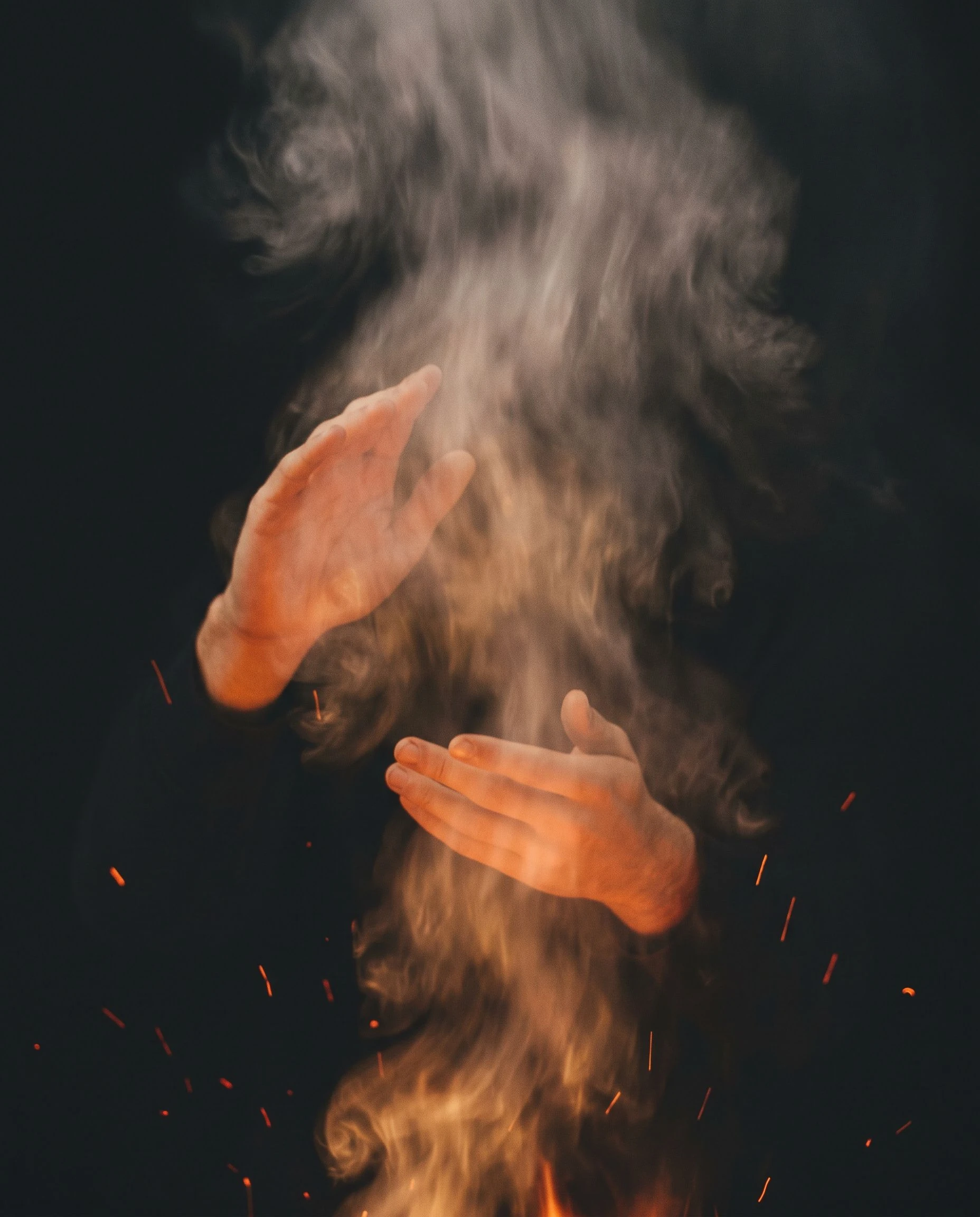
The Midpoint Ceremony
This part of the evening is not described here. Some things are better witnessed than prepared for.
 5
5
The Circle at Full Light
The fire is at its highest. Every seat is visible from every other seat. The room has become a single thing.
 6
6
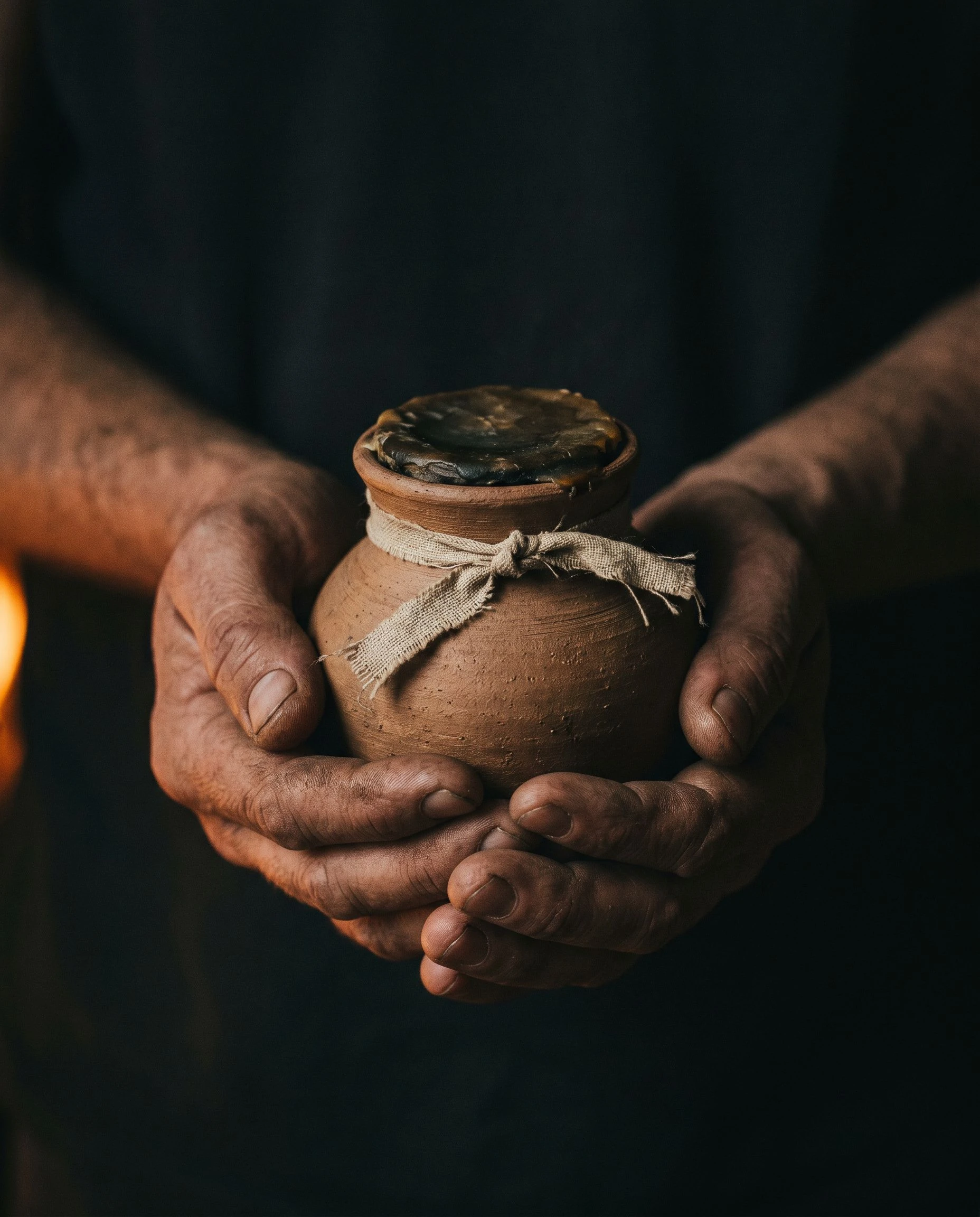
Departure
You leave with something small, sealed, and hand-made. What it contains is part of the evening you carry home.
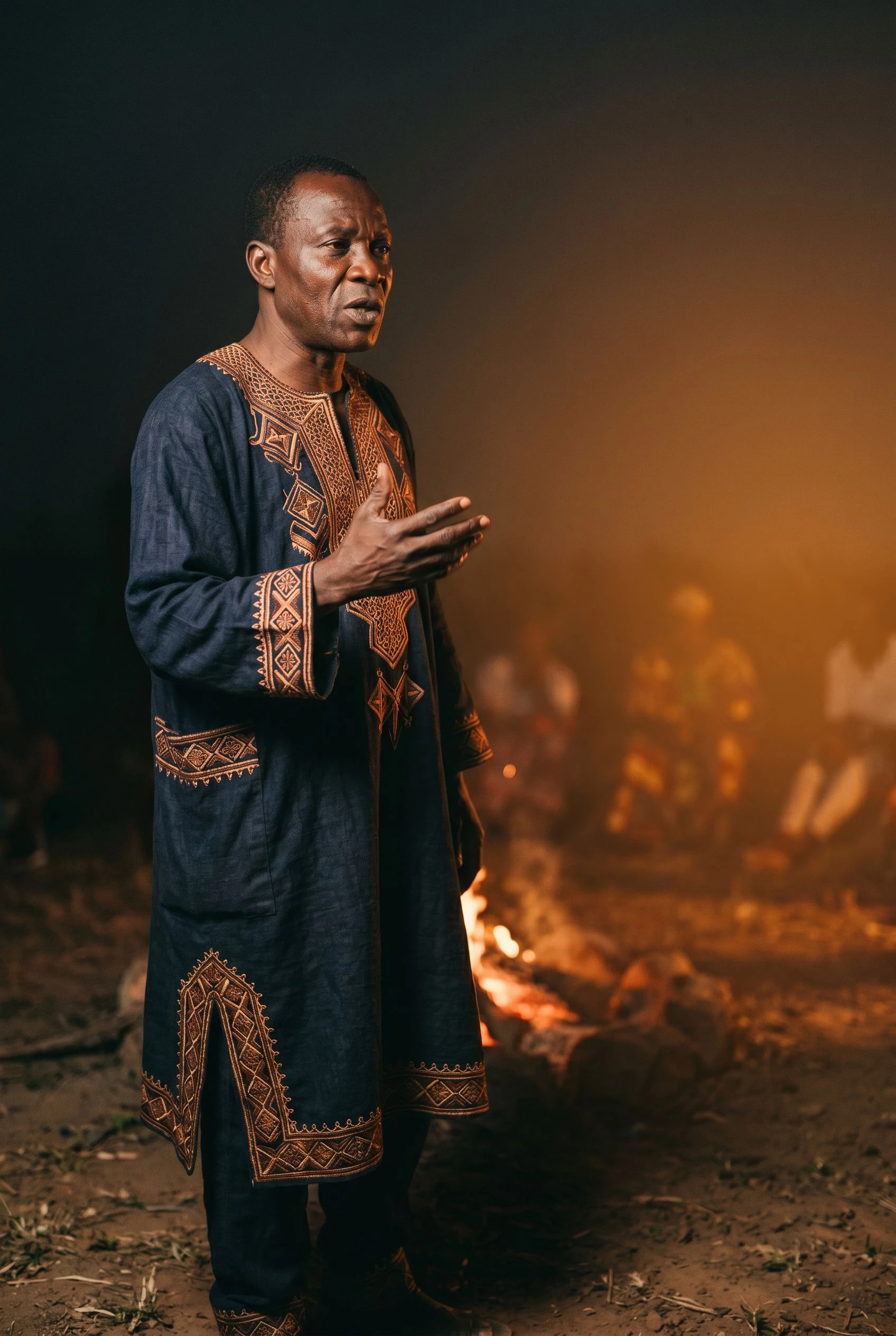
Kofi Asante
In the West African traditions from which Asha draws its ceremony, the griot is the designated keeper of collective memory — not a storyteller in the Western sense, but a living archive, whose role is transmitted through lineage and maintained through practice rather than text. What a griot carries cannot be looked up. It can only be heard.
Kofi Asante comes from a family of griots spanning seven generations in the Sahel region. He is the only practicing griot embedded in a fine dining context in the United States. During a single seating at Asha, he speaks between courses — not to explain the food, but to carry the world it comes from into the room. He addresses the circle as a whole, not the table. He does not repeat himself. Each evening is its own archive.
"The meal does not begin when the first dish arrives. It begins when Kofi speaks."
Those who have been inside describe it in the same language: before, and after.
"I have eaten at every restaurant that matters in this city. I have never sat inside something that felt like it existed independently of me — that would have burned and spoken and continued whether I had arrived or not. Asha did. I sat in the circle and understood that I was the guest of something far older than dinner."

"I booked it because I read the Forbes piece. I came back because I couldn't stop thinking about what Kofi said between the third and fourth course. I still can't tell you exactly what it was. That is the point."

"The food was unlike anything I have tasted. But I did not leave thinking about the food."
"Asha is not a restaurant with a concept. It is a ceremony that happens to serve dinner — and New York has nothing else like it."
"We walked out in silence. Not because we had nothing to say. Because nothing we could say was adequate yet."
The seat exists. It does not hold.
One seating per evening. Forty covers. Prepaid at booking. Tonight, or the night after — the calendar is live below.
$395 per cover, prix-fixe, all inclusive
per cover — the complete ceremony, from fire-lighting to the closing ritual. Nothing is withheld, nothing is additional. Wine pairing is available at the table. Reservations are secured via Resy and confirmed on prepayment.